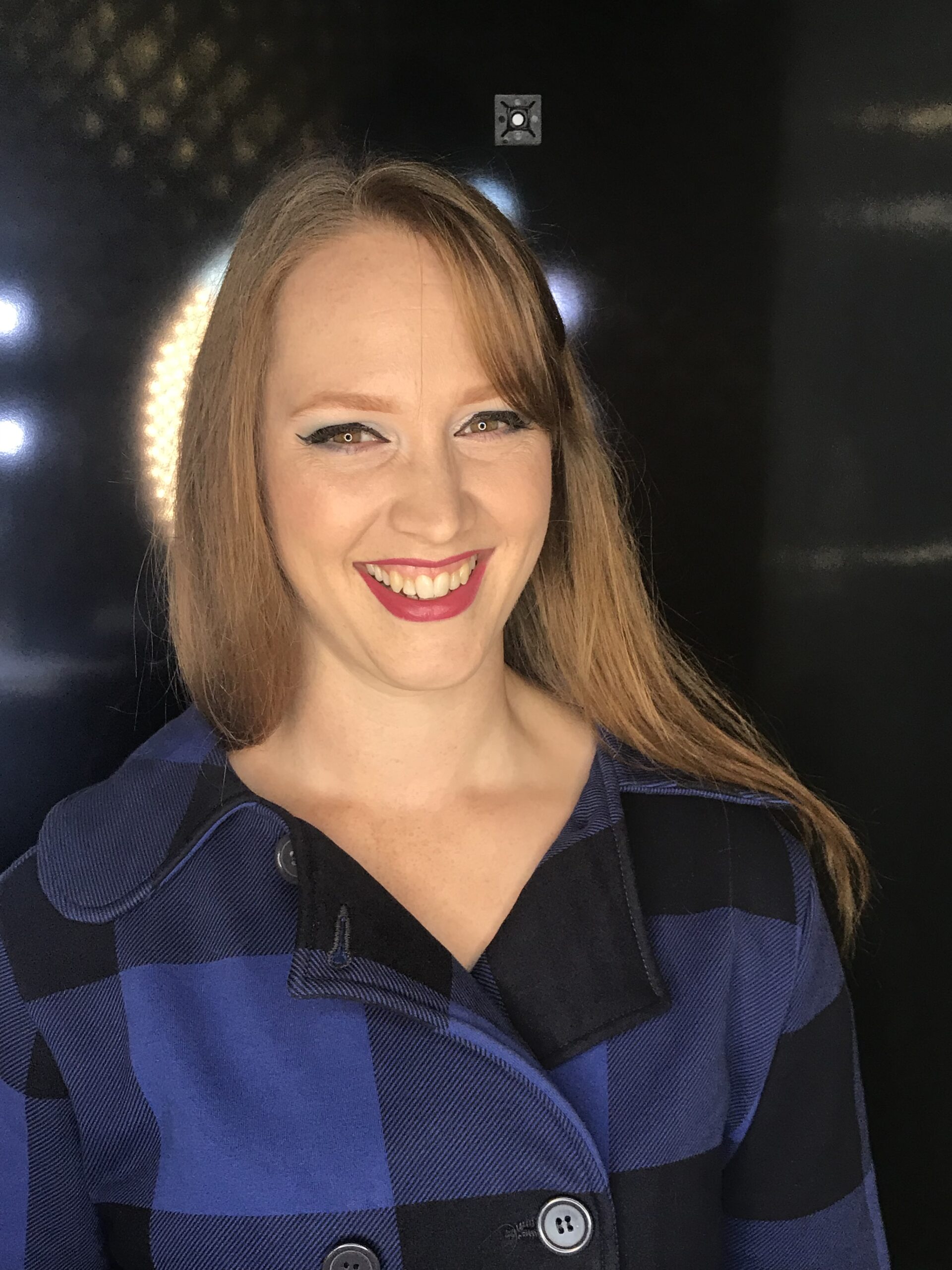
Hannah’s Story
"It’s so lovely that her peers at The Meath, as well as staff recognise that Hannah reaching out to people is her way of trying to reach the keys which unlock her world.”
Hannah’s Story
There are over 600,000 people living with epilepsy in the UK. That’s equivalent to roughly one in every 103 people. As a guide, about eighty seven more people will be diagnosed today… and every day.
If you are diagnosed with epilepsy, it generally means that you have a tendency to experience recurrent seizures. A seizure occurs as a result of a sudden ‘extra’ burst of electrical activity in the brain causing temporary interference and jumbling up the messages sent out to the rest of the body.

There is no one test for Epilepsy. An EEG or electroencephalogram, which records brainwave patterns, gives a doctor a lot of useful information. However, it does not give a conclusive result. A diagnosis will be made by a specialist who will use their professional experience and knowledge to review the results from a number of tests, as well as to talk with you to find out what happens before, during and after your seizures.
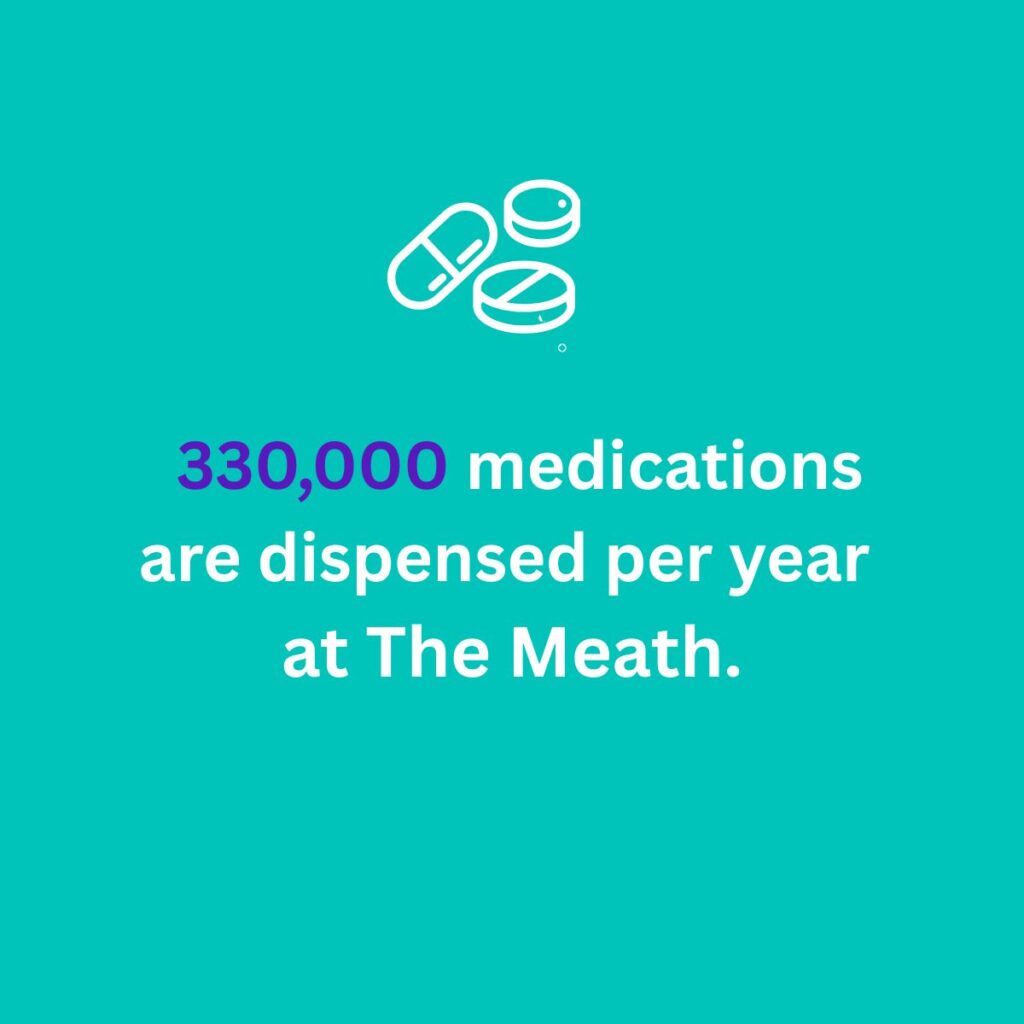
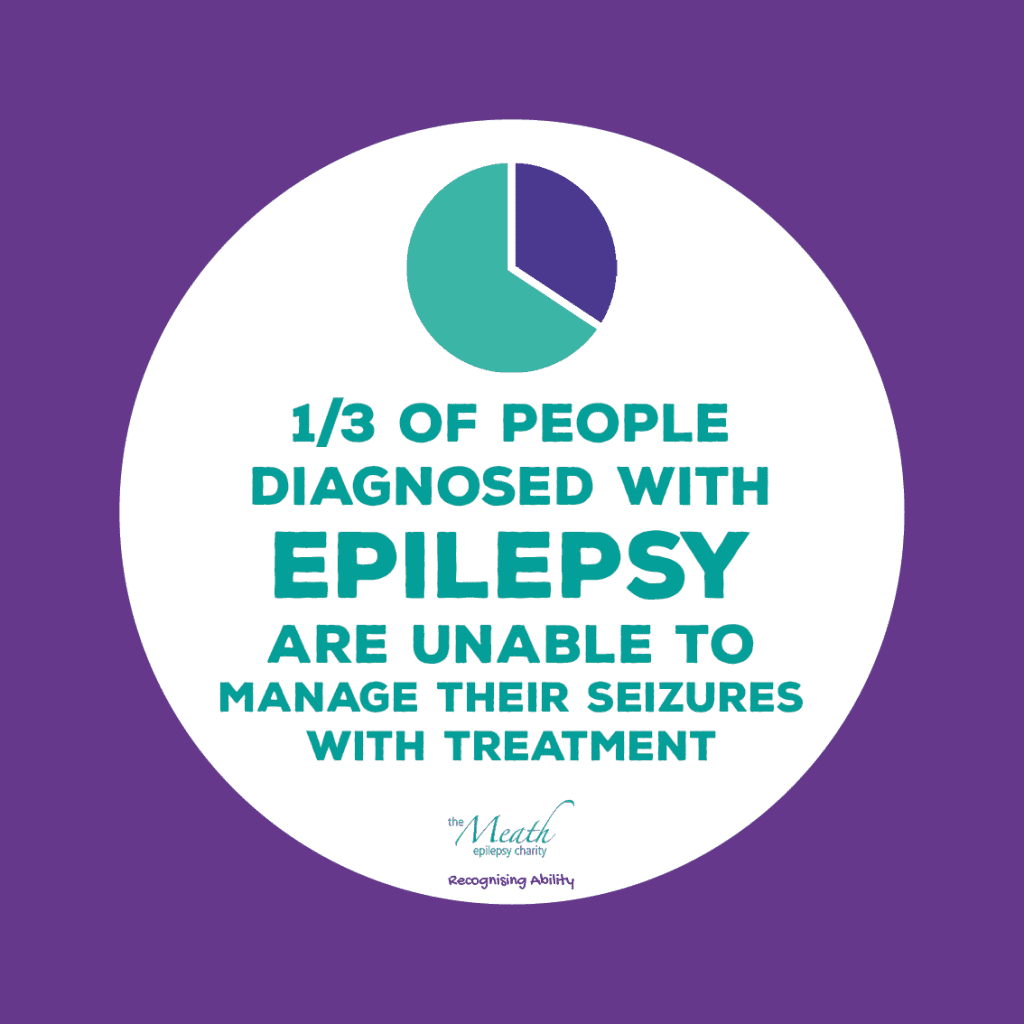
Usually, epilepsy is treated with ‘anti-seizure’ drugs or ‘ASDs’. The drugs may help to reduce or stop the seizures and many people find this to be the case once they are taking the right medicine and dosage for them.
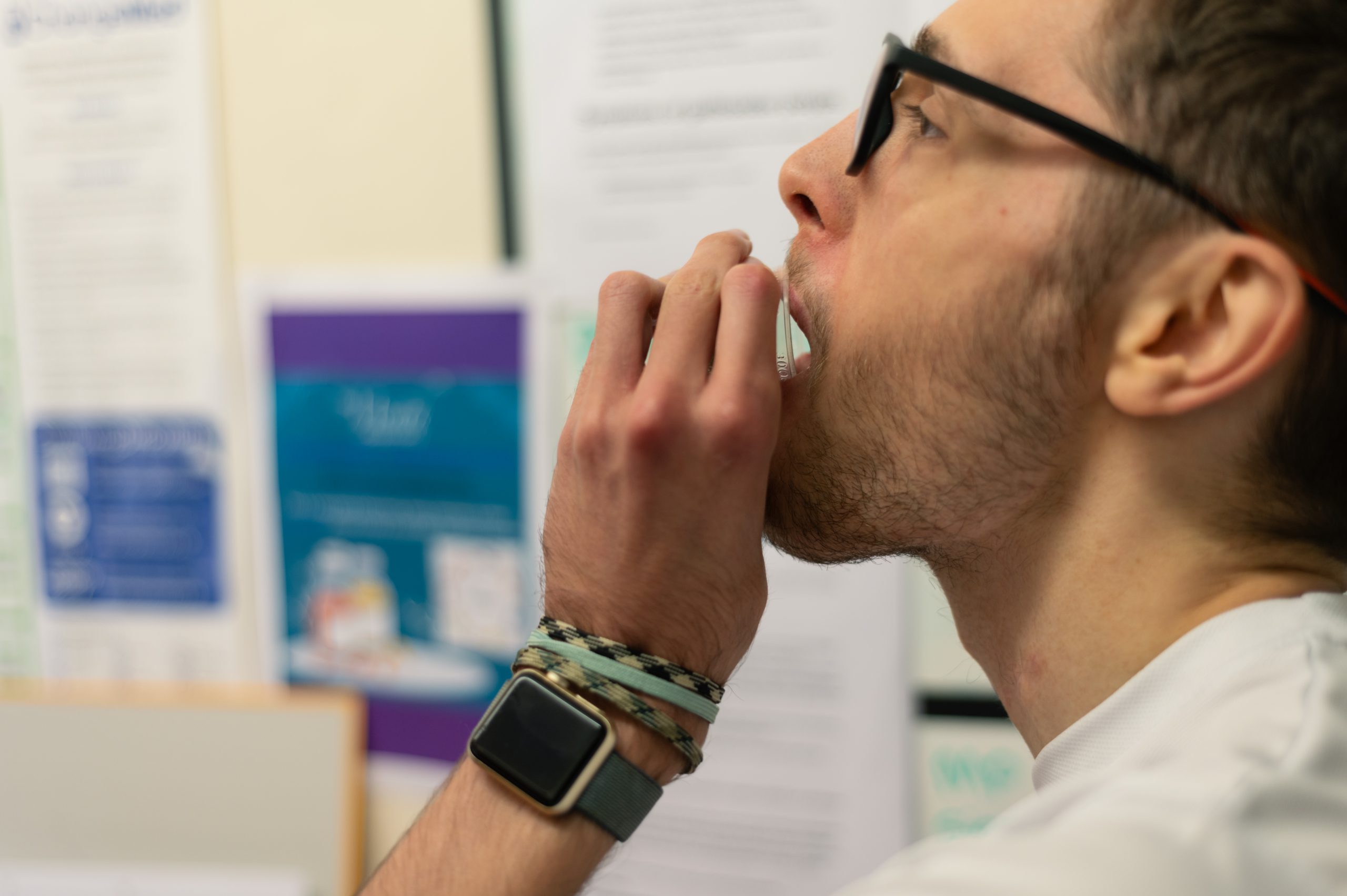
The type of seizure a person experiences depends on where in the brain this extra activity begins. This means that there are many different types of epilepsy and over 40 different types of seizure. What you experience may well be as individual as you are.
Seizures may start when a person is young, but for others, it may be later in life. In some people, they may not last, while for others, the tendency to experience seizures will last a lifetime.
Find out more about the main types of seizure in our leaflet ‘About Epilepsy’.
It’s not always clear why people develop Epilepsy. Epilepsy can occur as a result of a genetic condition. It can also occur due to an injury to the head, a stroke, brain tumour, difficulties at birth, or an infection, such as meningitis. In some cases, the cause is never identified and appears to be just part of who that person is, which makes them more likely to experience seizures
To learn more, please take a look at our leaflet which explains the different categories of Epilepsy, types of seizure, common seizure triggers and treatments for Epilepsy.
About Epilepsy Leaflet
“Yoga and reading help me to feel relaxed. I feel calm when I cuddle the Guinea Pigs too.” Continue Reading Francesca’s Story- A New Home at The Meath
Francesca’s Story- A New Home at The Meath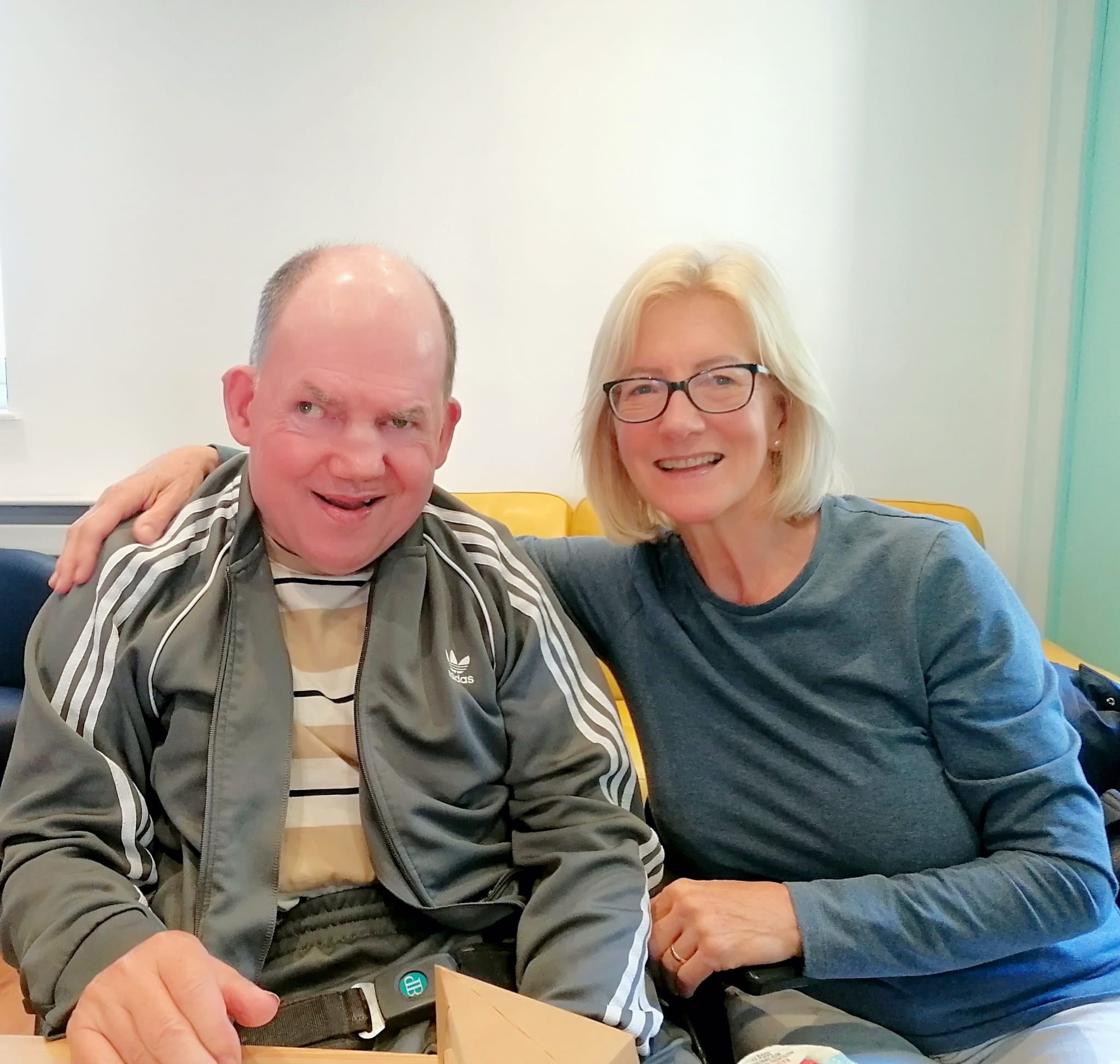
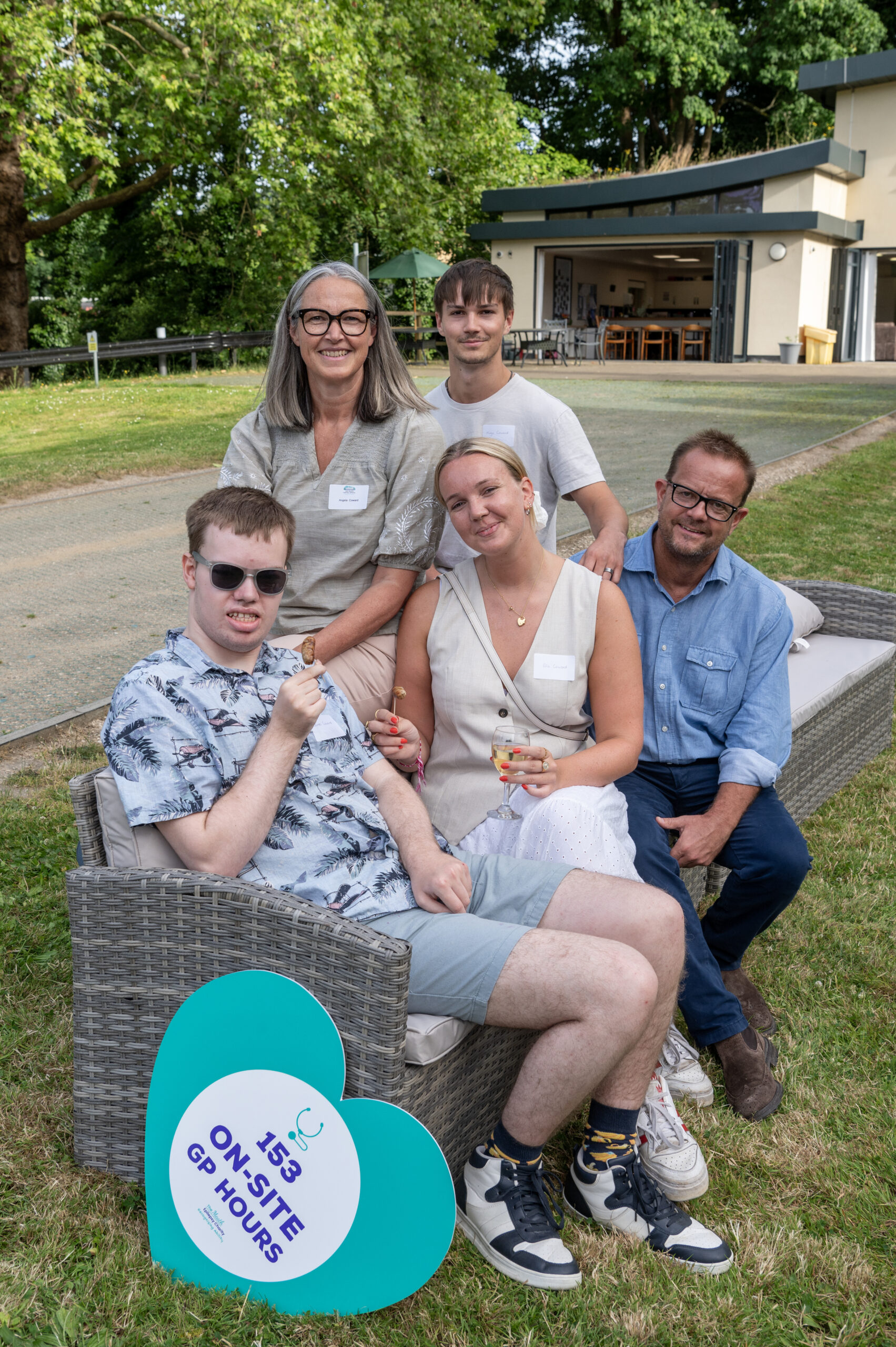

As well as complex epilepsy, many of the people we support have additional complex healthcare conditions and disabilities. Continue Reading Hear Sioban’s story
Hear Sioban’s story
Philippa has been a resident at The Meath in The Cottages since 2007. Philippa thrives when she feels busy and purposeful. Continue Reading Read Philippa’s story
Read Philippa’s story
Living with challenging medical conditions is something that Regan has both endured and overcome. Continue Reading Read Regan’s story
Read Regan’s story
David has lived at Meath Supported Living accommodation with his housemates in central Godalming for 7 years. Continue Reading Read David’s story
Read David’s story
Amy has lived at The Meath since 2016 when her home, Bradbury House, first opened its doors to residents. Continue Reading Read Amy’s story
Read Amy’s story